
Back pain is rarely the result of a single structural problem. It is a multidimensional condition that reflects how the body’s systems, muscular, neural, vascular, and metabolic, interact over time. Traditional diagnostics often focus on structural findings such as herniated discs or degenerative changes seen in MRI scans. While useful, these findings alone do not explain why pain persists or how it affects the body’s aging trajectory.
At Kinetic Aesthetic Fusion (KAF), Dr. K. Ama Finjap applies a multilayered diagnostic framework designed to uncover the root cause of spinal dysfunction within the broader context of longevity. This approach integrates neurofunctional testing, movement analytics, metabolic profiling, and genetic biomarkers of aging to provide a full picture of spinal health.
1. Neurofunctional Diagnostics:
Advanced electromyography, reflex testing, and neural conduction studies reveal how well the nervous system communicates with the musculoskeletal structure. These insights guide interventions that retrain motor patterns and restore neural efficiency, an essential factor in maintaining longevity.
2. Movement and Posture Analysis:
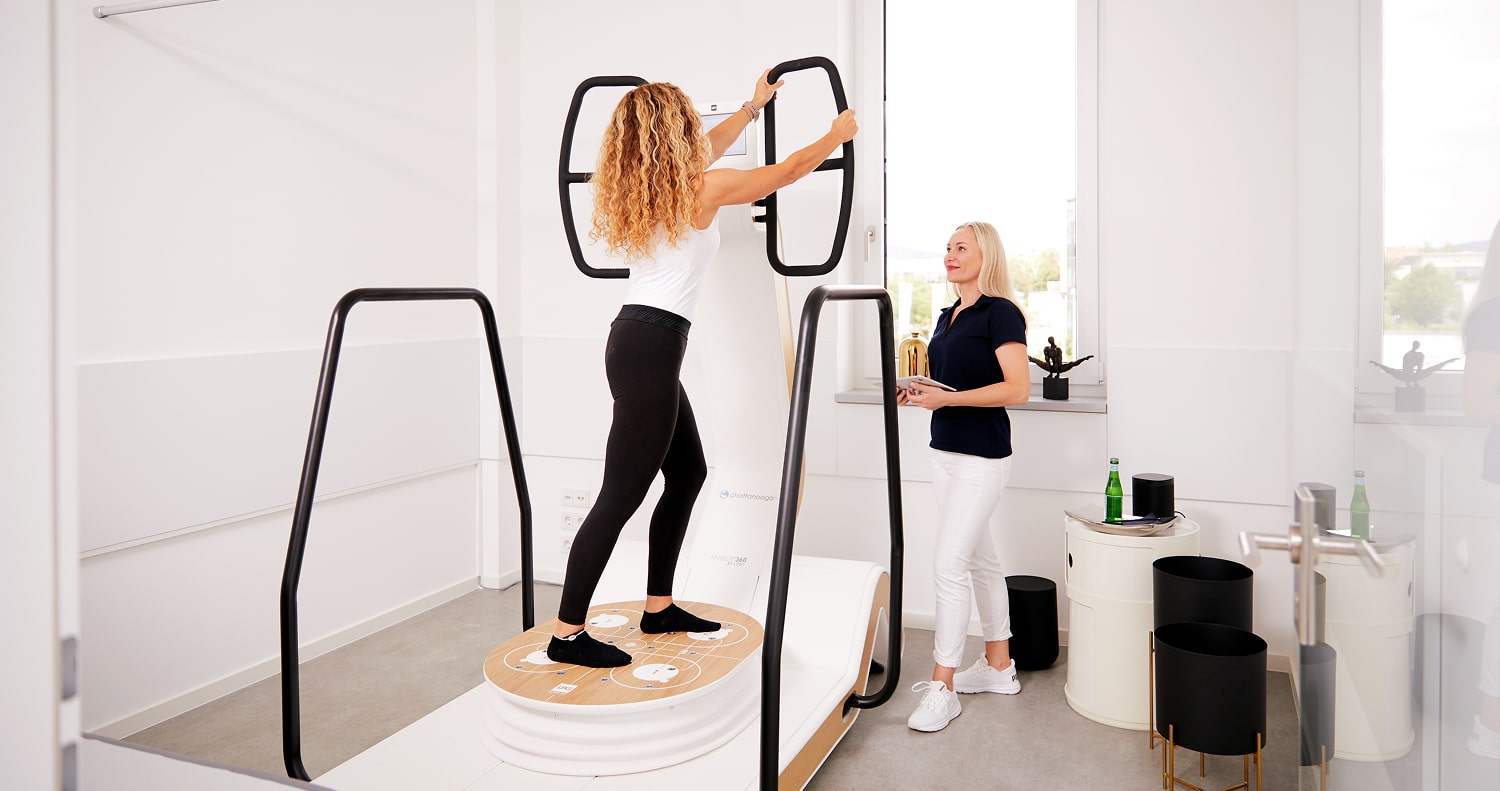
3D motion capture, digital gait analysis, and postural mapping expose asymmetries and compensations long before pain appears. By detecting early biomechanical imbalances, preventive care can be introduced years ahead of structural degeneration.
3. Metabolic and Genetic Longevity Markers:
Inflammatory markers, mitochondrial function, and gene expression patterns (such as mTOR, AMPK, and sirtuins) are evaluated to determine how cellular aging affects tissue repair and resilience. This creates a bridge between metabolic health and physical longevity, two sides of the same coin.
4. Integrative Assessment:
The data from these layers form a personalized “spinal longevity profile.” It allows for targeted interventions, whether regenerative therapies, lifestyle changes, or neuromuscular retraining, that address the individual’s biological and functional age rather than chronological age.
Through this lens, back pain becomes a diagnostic opportunity, a signal inviting a deeper exploration of health, movement, and regeneration. True longevity is not achieved by treating symptoms but by decoding the body’s feedback loops and recalibrating them for resilience.
“Longevity begins with awareness. The body tells its story through movement—our job is to listen.”
—Dr. K. Ama Finjap
Curious about your own spinal health and biological back age?
Take our 3-minute “Back Age Quiz” to discover how your posture, movement, and metabolism influence your longevity.
 English (UK)
  Deutsch